Thursday, July 3, 2008
Solar Taxi

For the first time in history, a solar-powered car is driving around
the world without any carbon emissions. Swiss adventurer Louis Palmer
is taking a small blue environmentally-friendly taxi around the world.
The solar-electric two-seat taxi with attached trailer is an attempt to
call attention to global warming while providing solutions for oil
independency.
With a full component of batteries, the Solar Taxi has an autonomy of
almost 200 miles. With additional energy from the solar cells on a
sunny day, it can travel almost 260 miles. The vehicle has a top speed
of 60 miles an hour and needs no gasoline at all.
By the time the Solar Taxi travels the Earth, it will have been to 40
different countries upon five continents, including the United States.
Read more about this project at http://www.solartaxi.com/mission/.
Wednesday, July 2, 2008
MODERNisation
最近为了寻找写剧本的灵感,脑子里不断思考一些奇奇怪怪的问题。很想听听大家的意见和看法,所以在这里留下一道问题:
是社会把人性现代化了?还是人性把社会现代化了?
是因为社会发展速度太快,才让人变得现实?
亦或者是人原本就存在的人性,促使我们一再改变这个社会,让它能够变成我们理想中的社会?
Recently, in the process of seeking inspiration for a script which I am working on, my mind constantly reflected on several issues and questions. I am curious about people's opinions, hence I leave a question on this blog entry:
Is society responsible for changing or "modernising" the human mindset? Or was the human mindset the deciding factor which drove us to change the society to one which suits our wants?
Thursday, June 26, 2008
Temple (Cake Theatrical Productions)
不久前,看了CAKE 所呈现的‘TEMPLE'
‘TEMPLE’ 是新加坡艺术节的节目之一,由 NATALIE HENNEDIGE 编导,汇集了多位剧场界的实力派演员和著名艺术工作者,包括了剧场才女李邪,资深演员吴悦娟,灯光设计师 SUVEN CHAN 和多媒体设计师 BRIAN GOTHONG TAN。创作和制作队伍实力雄厚,看了名单,实在让人期待他们呈现一出精彩绝伦的好戏。
在我看来,他们并没有让我失望。
我这么说,可能会有很多人觉得我PRETENTIOUS。哈哈,你们开心就好。
CAKE 的前几部戏,如‘QUEEN PING’ 和‘NOTHING’ 以后现代手法呈现。‘TEMPLE’ 也不例外。剧本里面出现的不只一个主要剧情,还附加了许多跟剧情看起来毫无关系的东西,如神话故事,乐队演奏和拉拉队表演。它似乎要表达很多东西,可是又好象没有表达任何东西。很多人看了都觉得这是一部看不懂的剧,散场后到处问同样一个问题:‘它到底在讲什么?’
关于这个问题,我稍候在说。
‘TEMPLE’ 维持了CAKE 过往的风格,着重于呈现强烈的视觉画面。然而,这部戏有一点和 NATALIE 以前的作品不一样,而我各人认为是个成功的突破。她这次没有完全采用缤纷的色彩来呈现她的戏,而是在各方面添加了黑白和灰三种色调。认为这是一个成功的突破,是因为我觉得导演在适当的时候,剧作需要或允许的情况下,给观众一些不同的东西,让大家耳目一新。另一个让我觉得非常喜欢的东西就是导演在很多方面都做的非常细腻,使整部戏很完整。
有人在戏后交流会上试图要求导演解释这部戏的主题和背后的真正意义。也有人反应说他们看不懂这部戏到底要说什么。戏演到一半有一些观众离场,我猜想也是因为这个原因吧。
我觉得,不是只有导演或编剧才说的算。我是说,其实‘TEMPLE’ 是没有唯一一个正确的解读。观众的解读,他们的体验都是对的。任何人觉得它在说什么,就是什么。要是硬要为剧本标上独一无二的解读,那不是掐死了观众的联想力与其他解读的可能性吗?
看这部戏是非常‘各人’的,也是我认为它最有趣的地方。
唯一我不喜欢的,就是整部剧有太多的东西了。演出一开始,所有的构思,概念,想法就不停的抛向观众。我看完后十分疲惫,感觉 CAKE 好像怕没有下一个演出了,死死一定要在短短的一个半小时内把毕生的创意用完。
每次看 CAKE 的演出,都觉得在挑战自己。下一次也应该不会错过。
你们呢?
Tuesday, June 24, 2008
Story of Stuff

From its extraction through sale, use and disposal, all the stuff in our lives affects communities at home and abroad, yet most of this is hidden from view. The Story of Stuff is a 20-minute, fast-paced, fact-filled look at the underside of our production and consumption patterns. The Story of Stuff exposes the connections between a huge number of environmental and social issues, and calls us together to create a more sustainable and just world. It'll teach you something, it'll make you laugh, and it just may change the way you look at all the stuff in your life forever.
Visit:
http://www.storyofstuff.com/
Wednesday, June 18, 2008
Surviving ethnic conflicts in Bosnia!
It is happening this friday!
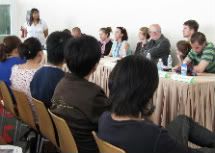
Director Haris Pasovic and the young actors of Class Enemy from Bosnia will share with us their personal experiences of the war-torn times and how they have learnt to cope with growing up in an environment filled with violence caused by racial and ethnic conflicts.
With Singapore having the same multiethnic context, the talk will be a great learning platform of dialogues between youths of both countries.
photo from singaporeartsfest.com Date/Time: 20th June, 2008/ 2:00pm-3:30pm
Venue: Drama Centre Visitor Centre @ NLB
FREE ADMISSION!
limited seats available, register at admin.artivate@gmail.com
Thursday, June 12, 2008
Sarin
正在准备 What Matters?,也因内容有谈到 Sarin, 所以找了挺多的资料。决定把其中的一些放在这儿,警惕大家。
Whilst preparing for What Matters?, I came across many info/sites about Sarin, as it is one of the things mentioned in the play. Decided to share it with you all here, for awareness of this potential danger.
There was a Sarin attack in Japan back in 1995, where 12 people died and over 3000 were injured. Probably many of them suffering the longterm effects due to exposure to Sarin.
Online Videos by Veoh.comFacts About Sarin
What sarin is- Sarin is a human-made chemical warfare agent classified as a nerve agent. Nerve agents are the most toxic and rapidly acting of the known chemical warfare agents. They are similar to certain kinds of pesticides (insect killers) called organophosphates in terms of how they work and what kind of harmful effects they cause. However, nerve agents are much more potent than organophosphate pesticides.
- Sarin originally was developed in 1938 in Germany as a pesticide.
- Sarin is a clear, colorless, and tasteless liquid that has no odor in its pure form. However, sarin can evaporate into a vapor (gas) and spread into the environment.
- Sarin is also known as GB.
Where sarin is found and how it is used
- Sarin and other nerve agents may have been used in chemical warfare during the Iran-Iraq War in the 1980s.
- Sarin was used in two terrorist attacks in Japan in 1994 and 1995.
- Sarin is not found naturally in the environment.
How people can be exposed to sarin
- Following release of sarin into the air, people can be exposed through skin contact or eye contact. They can also be exposed by breathing air that contains sarin.
- Sarin mixes easily with water, so it could be used to poison water. Following release of sarin into water, people can be exposed by touching or drinking water that contains sarin.
- Following contamination of food with sarin, people can be exposed by eating the contaminated food.
- A person’s clothing can release sarin for about 30 minutes after it has come in contact with sarin vapor, which can lead to exposure of other people.
- Because sarin breaks down slowly in the body, people who are repeatedly exposed to sarin may suffer more harmful health effects.
- Because sarin vapor is heavier than air, it will sink to low-lying areas and create a greater exposure hazard there.
How sarin works
- The extent of poisoning caused by sarin depends on the amount of sarin to which a person was exposed, how the person was exposed, and the length of time of the exposure.
- Symptoms will appear within a few seconds after exposure to the vapor form of sarin and within a few minutes up to 18 hours after exposure to the liquid form.
- All the nerve agents cause their toxic effects by preventing the proper operation of the chemical that acts as the body’s “off switch” for glands and muscles. Without an “off switch,” the glands and muscles are constantly being stimulated. They may tire and no longer be able to sustain breathing function.
- Sarin is the most volatile of the nerve agents, which means that it can easily and quickly evaporate from a liquid into a vapor and spread into the environment. People can be exposed to the vapor even if they do not come in contact with the liquid form of sarin.
- Because it evaporates so quickly, sarin presents an immediate but short-lived threat.
Immediate signs and symptoms of sarin exposure
- People may not know that they were exposed because sarin has no odor.
- People exposed to a low or moderate dose of sarin by breathing contaminated air, eating contaminated food, drinking contaminated water, or touching contaminated surfaces may experience some or all of the following symptoms within seconds to hours of exposure:
◦ Runny nose
◦ Watery eyes
◦ Small, pinpoint pupils
◦ Eye pain
◦ Blurred vision
◦ Drooling and excessive sweating
◦ Cough
◦ Chest tightness
◦ Rapid breathing
◦ Diarrhea
◦ Increased urination
◦ Confusion
◦ Drowsiness
◦ Weakness
◦ Headache
◦ Nausea, vomiting, and/or abdominal pain
◦ Slow or fast heart rate
◦ Low or high blood pressure
- Even a small drop of sarin on the skin can cause sweating and muscle twitching where sarin touched the skin.
- Exposure to large doses of sarin by any route may result in the following harmful health effects:
◦ Loss of consciousness
◦ Convulsions
◦ Paralysis
◦ Respiratory failure possibly leading to death - Showing these signs and symptoms does not necessarily mean that a person has been exposed to sarin.
What the long-term health effects are
- Mild or moderately exposed people usually recover completely. Severely exposed people are not likely to survive. Unlike some organophosphate pesticides, nerve agents have not been associated with neurological problems lasting more than 1 to 2 weeks after the exposure.
How people can protect themselves, and what they should do if they are exposed to sarin
- Recovery from sarin exposure is possible with treatment, but the antidotes available must be used quickly to be effective. Therefore, the best thing to do is avoid exposure:
◦ Leave the area where the sarin was released and get to fresh air. Quickly moving to an area where fresh air is available is highly effective in reducing the possibility of death from exposure to sarin vapor.
◦ If the sarin release was outdoors, move away from the area where the sarin was released. Go to the highest ground possible, because sarin is heavier than air and will sink to low-lying areas.
◦ If the sarin release was indoors, get out of the building. - If people think they may have been exposed, they should remove their clothing, rapidly wash their entire body with soap and water, and get medical care as quickly as possible.
- Removing and disposing of clothing:
◦ Quickly take off clothing that has liquid sarin on it. Any clothing that has to be pulled over the head should be cut off the body instead of pulled over the head. If possible, seal the clothing in a plastic bag. Then seal the first plastic bag in a second plastic bag. Removing and sealing the clothing in this way will help protect people from any chemicals that might be on their clothes.
◦ If clothes were placed in plastic bags, inform either the local or state health department or emergency personnel upon their arrival. Do not handle the plastic bags.
◦ If helping other people remove their clothing, try to avoid touching any contaminated areas, and remove the clothing as quickly as possible. - Washing the body:
◦ As quickly as possible, wash any liquid sarin from the skin with large amounts of soap and water. Washing with soap and water will help protect people from any chemicals on their bodies.
◦ Rinse the eyes with plain water for 10 to 15 minutes if they are burning or if vision is blurred. - If sarin has been swallowed, do not induce vomiting or give fluids to drink.
- Seek medical attention immediately. Dial 999/911 and explain what has happened.
How sarin exposure is treated
- Treatment consists of removing sarin from the body as soon as possible and providing supportive medical care in a hospital setting. Antidotes are available for sarin. They are most useful if given as soon as possible after exposure.
Sunday, May 25, 2008
种----族
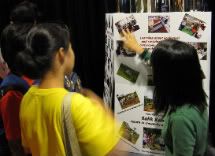
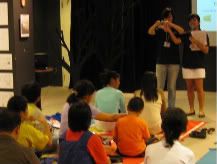
参与了“艺树人”在前两个星期五呈现的活动,从中好像更了解自己对于种族关系的想法。
1)Race In Schools - SteReotypes And OtheRs
在参与当中的一些游戏时,我很惊奇地发现我们很多人原来在无形中对一些人或一组人持有一些刻板的印象。例如:很多人都认为印族同胞说话时很大声、而且很爱说话还有喜欢为自己的行为辩护。(注:我只是举出一些在活动中出现的情况,并非有心针对任何族群)
经过大家积极地参与和讨论,我听到很多有趣的故事和亲身经历。听着在场的人叙述他们的经历不禁让我盟生一个问题:我们对于其他族群的刻板印象究竟是我们个人的偏见亦或者是有一定的真实?所谓无风不起浪。
当然,尽管我有这样的疑问,我还是不赞成把任何族群定型,更反对用我们持有的刻板印象去看待其他族群的人。我想很多人都很了解并且也知道,什么样的行为是对的、是好的。例如:我们都知道对于其他族群的同胞们必须有一定的敏感度。可是,知道的和真正能够感受的毕竟不完全一样吧。
身为华人,也许我们太习惯属于社会的 majority,因此要忽略少数族群的感受,绝对不是不可能的。
生活中,我也遇过一些让我有所领悟的事情。嗯,例如我认识一个印族同学——我一直没有问她的宗教是什么,而我也在无形中认为她是兴都教的信徒。后来,我终于问她,然而我得到的答案并不如我所想像的。原来,她是回教徒(Indian Muslim)。这个经历让我开始思考我们是不是习惯性地把种族和宗教这两个其实没有任何特定关系的概念联想在一起?我们理所当然认为马来人就是回教徒、印度人就是兴都教徒。然而,我发现我们却没有把华人看成佛教徒啊!为什么我们可以接受并且不事先以为华人是佛教徒,可是对于马来人或印度人却有事先的判断呢?
在活动中,演讲者也提到“name-calling” 这一点。听她提起这一点,我便想起我在学校电梯里听到的一番对话。当时,两名学生在讨论考试成绩。他们说到关于每次考试名列前茅的外国学生时(多数是来自中国和印度的学生),用了两个名称来称呼他们—“Ah Tiong”(中国人) 和“KLK”(
Keh Leng Kia/印度人)。的确,我想类似这种不礼貌的名称对我们并不陌生。
最后,我今天到了小印度。那里到处都是印度人,只有一些华人。当下,我能够想像少数族群的朋友平时置身在多数是华人的社会中,有什么感受。我在小印度,虽然和周围的人保持友善的关系,店员也对我很友善,但是在心里深处总是有一点的不安。因为我毕竟离开了我所熟悉的人和文化,而且对于对方的文化我其实并不非常理解。
所以,我想,我们必须时时刻刻提醒自己“种族和谐”这样的情况其实建立在一个极为脆弱的基础上。因为我们扪心自问,我们并没有做到对其他种族的文化等有一定的了解。我们只不过是在相处的层面上,能够维持一定的礼貌和不干涉。那,我们想要的“种族和谐”是不是仅停在这个层面?还是,我们要真的用心去维系种族之间的关系?
Race
During the games and activities, I was surprised to find that most of us actually held similar sets of stereotypes for certain groups of people. For example, many of us felt that Indians are loud, talkative and argumentative. (*Note: For my purpose, I am purely highlighting what happened during the discussion and activities. It is not my intention to deliberately pick on certain groups of people)
I heard many interesting stories from people’s sharing of their experiences. As I listen to their stories and why they come to hold certain sets of stereotypes for particular groups, I started to have a question in my mind: Are the stereotypes that we come to hold about certain groups a result of our narrow-mindedness and prejudice or are they really based on some level of truth?
Naturally, even as I question the level of truth in our stereotypes, I am still against classifying a group of people under “tags” and “stereotypes”. I am even more against judging people who belong to certain groups based on prior stereotypes of the group. I guess many of us understand and are aware of what kind of behaviour is “correct”, what kind of behaviour is “good”. For instance, we know that we ought to be sensitive towards other racial groups. However, what we know and what we truly feel are not exactly the same, are they?
As Chinese, we are perhaps so used to being part of the majority of society that it is not impossible to neglect the feelings of the minority groups of people.
I have had some personal experiences which taught me things about myself and other people. I know an Indian school mate. I never asked her for her religion and I had somehow assumed that she was a Hindu. Finally, I asked her if she was Hindu, and the answer she gave me was beyond what I had expected. I learned that she was an Indian Muslim. This experience I had made me question our tendency to make a false connection between religion and race. We are used to thinking that Malays are Muslims, Indians are Hindus. However, it seems unfair that we have come to accept that not all Chinese are Buddhists but we still cannot seem to do the same for Malays and Indians.
During the talk, the speaker-facilitator mentioned the point on “name-calling”. I recall a conversation I heard in the lift of my school. Two students were discussing about their recent examinations results. When they were on the topic of the foreign scholars who always topped the class, they used terms like “Ah Tiong” (China Scholars) and “KLK (Keh Leng Kia)” (Indians) to address these groups of people. The fact is, such impolite terms are not new to us.
Lastly, I happened to be in Little India today. The place was filled with Indians, with the exception of a few Chinese. At that moment, I can really feel what the Indians and Malays probably feel when they are in the midst of Chinese. Although I had an enjoyable experience with the people at Little India, I still felt insecure sometimes because this was not the environment and culture that I am familiar with, and I also did not know much about their culture.
Hence, I feel that the “racial harmony” that we have in Singapore today is probably built on a rather weak foundation. We most probably know very little regarding the culture and lives of the other racial groups. All that we have managed to do are to maintain cordial relations as well as keeping out of each other’s matters. Then, what is the kind of “racial harmony” that we really wish to have? Do we want to keep on maintaining relations on a superficial level or do we want to go beyond that to really try to understand a different culture from ours?